
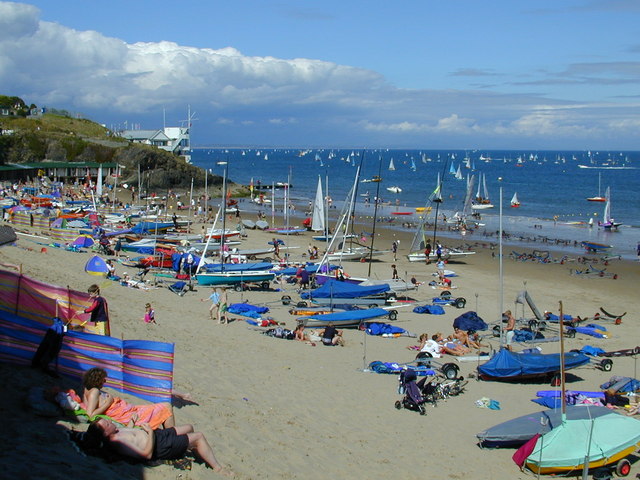

The best time to visit Abersoch depends on what you want from it, because the village changes more with the seasons than its size suggests. In summer it is a busy sailing and beach village, with watersports, restaurants and the regatta at their fullest — and car parks and accommodation at their tightest. In winter it is quiet, windswept and beautiful in a completely different way, with walking and empty beaches as the main draw and many businesses on reduced hours.
This guide gives a month-by-month picture for Abersoch, on the south coast of the Llŷn Peninsula in Gwynedd, North Wales — not Aberdovey (Aberdyfi), a different village much further south. Temperatures below are approximate monthly averages from general travel listings, not forecasts: Abersoch's weather is changeable in every month, rain is possible year-round, and a waterproof layer and flexible plans are sensible whenever you visit.
The short answer
- Best overall for beach days and watersports: June to September, with July and August warmest and busiest.
- Best balance of decent weather and fewer crowds: May, June and September.
- Best for walking and quiet: April, May, September and October.
- Best for surfing: autumn and winter for swell, if you are experienced and properly equipped — summer for surf-school beginners.
- Cheapest and quietest: November to February, accepting short days, reduced opening hours and winter weather.
- Best for families tied to school holidays: July and August, booked well ahead.
Seasons at a glance
Summer in Abersoch is about the bay: swimming, sailing, paddleboarding, boat trips and long evenings on the beach. Spring and autumn are about the coast path and the light, with the village still open but calmer. Winter is about the coast itself — big skies, empty sand, storms watched from a café or pub — and it suits visitors who do not need everything to be open. There is no month in which Abersoch is guaranteed dry or warm; even in July and August, a wet and windy week is entirely possible. Daylight matters as much as temperature: in December the beach is a daytime outing, while in June you can walk the coast path, eat outside and still be on the beach in the evening.
Month by month
January — average around 6°C
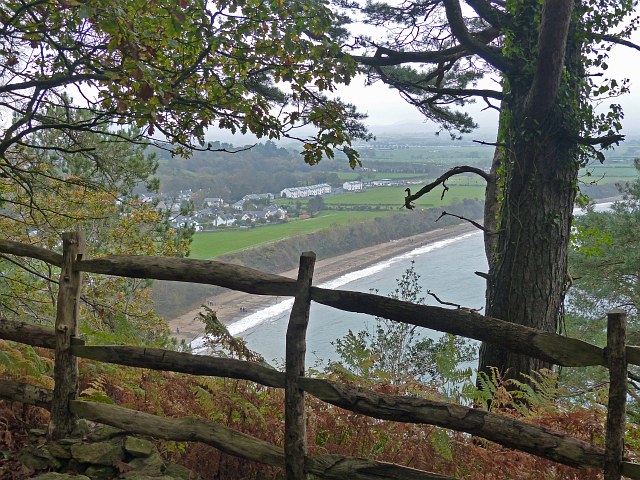
Quiet, cold and often wet and windy. Most visitors in January are walkers and locals, not beachgoers. The main beach is empty, the light over Cardigan Bay can be superb, and the village is at its most itself — but check what is open before travelling, as some cafés, restaurants and watersports operators close or reduce hours in winter. Good for: coastal walking, photography, a quiet break. Not good for: swimming, watersports, or a trip that depends on everything being open.
February — average around 6°C
Much like January, with days slowly lengthening. Storms are possible, and the coast path can be muddy and exposed. The upside is the same as January: no crowds, easy parking, and accommodation at its quietest. Bring proper waterproofs and boots, not just a beach bag. Good for: walking and storm-watching. Not good for: beach days.
March — average around 7°C
The first hints of spring: longer days, the coast path drying out in spells, and the village beginning to wake up. It is still cold for the beach, and the sea is at its coldest in spirit if not in fact — only committed cold-water swimmers will be in it. Dog walkers benefit: the main beach is outside its summer restriction period (see the beaches guide for the dates dispute), and the sands are empty. Good for: early walking, dog-friendly beach days. Not good for: swimming or watersports tuition, which is largely not yet running.
April — average around 9°C
A genuinely good walking month, and the start of the season in earnest. The Wales Coast Path walk to Llanbedrog is at its best in spring light, the heathland is coming alive, and the village is open but not crowded. Note the dog rules change: Visit Wales gives 1 April as the start of the main beach restriction on its northern part, while other guides give May — check the signs and Cyngor Gwynedd's current rules (see the beaches guide). Easter can be busy, especially if the weather is kind, so book ahead for Easter weekends. Good for: walking, Easter breaks, quiet beach days. Not good for: relying on warm sea swimming.
May — average around 11°C
One of the best months to visit. Days are long, the village is properly open, watersports operators are running, and the summer crowds have not yet arrived. The main beach is usable for paddling and, for the brave, swimming, and the surf schools are operating at Hell's Mouth. If your dates are flexible, May is the month to choose for the best balance of weather, openness and calm. Good for: almost everything, especially walking and watersports. Watch for: the start of main beach dog restrictions, depending on which published dates apply.
June — average around 14°C
Summer arrives, with long evenings, warm days by Welsh coastal standards, and the bay at its most inviting. Sailing, paddleboarding, kayaking and boat trips are in full swing, and the beaches are busy but not yet at August levels. This is a strong choice for families who can travel before the school summer holidays. Good for: beach days, sailing, boat trips, long walks. Watch for: changeable weather — June can still produce a wet week.
July — average around 15°C
The warmest month, jointly with August, and the start of peak season. Expect busy beaches, full car parks, booked-out restaurants and the village at its liveliest. The regatta season builds through the summer, and watersports operators are at their busiest — book sessions and accommodation well ahead. Early mornings on the main beach, before the crowds arrive, are the way to enjoy July at its best. Good for: swimming, sailing, watersports, family holidays. Not good for: solitude or spontaneous parking.
August — average around 15°C
Peak season, and the month of the Abersoch Regatta — a week-long, community-run series of events including sailing races at the South Caernarfonshire Yacht Club, raft races, sandcastle building and other family events, raising money for local causes. It is the liveliest week of the year and also the busiest: book accommodation, restaurants and watersports well in advance, arrive early for parking, and expect the main beach to be crowded on fine days. If you want Abersoch at its most festive, come in regatta week; if you want it quiet, do not. Good for: the regatta, family holidays, watersports. Not good for: quiet, cheap or spontaneous trips.
September — average around 14°C
September is the insider's month. The sea is at its warmest after the summer, the days are still long enough for beach evenings early in the month, the crowds thin sharply after the school holidays, and the village stays open. Dog restrictions on the main beach run into September on the Visit Wales dates (to 30 September), so dog owners should still check the signs. Walking is excellent, the light is golden, and accommodation is easier to find. Good for: swimming, walking, watersports, couples and dog walkers. Watch for: the dog restriction end date, which sources disagree on.
October — average around 12°C
Autumn proper: cooler, wetter, windier, but often beautiful, with autumn colour inland and empty beaches. Watersports wind down, some businesses reduce hours, and the coast path is quiet. This is a good month for a walking break with a pub and café plan, and a poor month for a trip that depends on beach weather. Half-term can bring a short busy spell if the weather is kind. Good for: walking, quiet breaks, photography. Not good for: swimming or relying on full summer opening.
November — average around 9°C
Quiet and darkening, with short days and winter weather setting in. Many seasonal businesses have closed or cut back, and the village is largely local again. The beaches are empty and the coast is dramatic, but this is a trip for walkers and readers, not for beachgoers. Check opening hours before travelling and do not assume restaurants or operators are running. Good for: solitude, stormy coastal walks, cheap quiet stays. Not good for: watersports, family beach holidays.
December — average around 7°C
Short days, cold weather, and a village winding down — with one festive exception. Abersoch has hosted a Christmas Festival in early December in recent years, with carols, late-night shopping, a Santa's grotto and lantern parades, turning the village into a cosy seasonal celebration for a weekend. Confirm it is running in the year you visit before planning around it (see "Verify before publishing"). Outside that weekend, December is quiet, and many places are closed or on winter hours. Good for: the Christmas Festival weekend, quiet winter walks. Not good for: beach or watersports trips.
Crowds, prices and booking
Abersoch's crowds follow the school holidays and the weather, in that order. Summer weekends and August are the busiest; May, June and September weekdays are the calmest good-weather bets. Accommodation books up early for summer, especially for August and regatta week. This guide does not quote accommodation or activity prices, which change seasonally and by operator; check with the provider for your dates.
Parking follows the same pattern: car parks fill early on fine summer days and are easy in winter. Several car parks use automatic number plate recognition with strict enforcement reported, so read the signs and note your arrival time whatever the season.
What to pack, by season
- Summer (June–September): swimwear, sun protection, a wetsuit or hire arrangement for watersports, and a waterproof layer anyway — Welsh summers are not guaranteed dry.
- Spring and autumn: layers, waterproofs, walking boots for the coast path, and swimwear if you are brave.
- Winter (November–March): warm waterproofs, boots, a hat and gloves, and a plan for indoor stops — the coast path is exposed and the wind off Cardigan Bay is cold.
Whatever the season, check tide times: at high tide the main beach narrows and some beach walks are cut off, and at low tide the harbour beach opens into wide sand.
Frequently asked questions
What is the best month to visit Abersoch?
For most visitors, May, June or September: decent weather, the village fully open, and far fewer crowds than July and August. For a family beach holiday, July and August are best, booked ahead.
Is Abersoch good in winter?
Yes, if you want quiet coastal walking, empty beaches and a small village at its most local — and no, if you want swimming, watersports and everything open. Check opening hours before a winter trip.
When is Abersoch Regatta?
In August, as a week-long community event centred on sailing at the South Caernarfonshire Yacht Club. Confirm the exact dates for the year you visit before booking around it, as they change annually.
When can dogs go on Abersoch Main Beach?
Outside the seasonal restriction period. Visit Wales gives 1 April to 30 September for the northern part of the main beach; other guides give May to September. Machroes, Warren, Porth Ceiriad and Hell's Mouth are reported as dog-friendly all year round. Check the signs and Cyngor Gwynedd's current rules.
Is it warm enough to swim in Abersoch?
In summer, yes for most people, especially in July, August and September when the sea is warmest after the summer months — though the sea off North Wales is never warm by Mediterranean standards, and a wetsuit makes a long swim far more comfortable. Outside summer, swimming is for committed cold-water swimmers.
Is Abersoch busy in August?
Yes, very. August, especially regatta week, is the busiest time of year: book accommodation, restaurants and watersports ahead, and arrive early for parking.

