
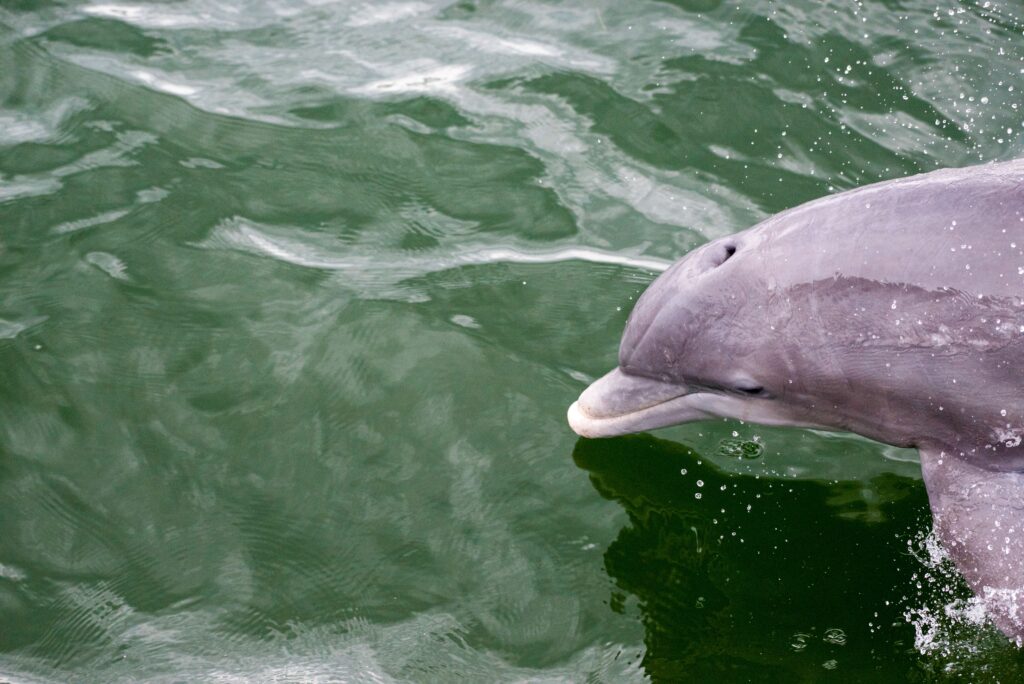

Abersoch sits on the edge of one of Britain's best marine wildlife areas. Cardigan Bay is home to a resident population of bottlenose dolphins, one of only two such resident populations in the UK, along with harbour porpoises, Atlantic grey seals and a rich cast of seabirds. The St Tudwal's Islands, two small islands just offshore from Abersoch Bay, are a seal and seabird hotspot, and the bay itself is a place where dolphins and porpoises are seen from the shore as well as from boats. This guide covers dolphin and seal watching around Abersoch, on the south coast of the Llŷn Peninsula in Gwynedd, North Wales — not Aberdovey (Aberdyfi), a different village much further south.
The first thing to understand is that wildlife watching here is not a zoo visit. Dolphins and seals are wild animals in a large bay, and no honest guide or operator can guarantee a sighting on a given day. What Abersoch offers is a genuinely good chance, in the right season, with the right approach — and a set of experiences, from a boat trip to a quiet hour on a headland, that are rewarding even on a day when the dolphins stay elsewhere. Set expectations that way, and a sighting becomes a thrill rather than a failed promise.
What you can see: dolphins, porpoises and seals
The star species is the bottlenose dolphin. Cardigan Bay's resident population is estimated in the low hundreds, and the bay is a Special Area of Conservation designated in part for them. Bottlenose dolphins are large, sociable and often visible from boats and headlands, travelling in groups, bow-riding boats, and feeding in the bay's shallow waters. They are present in Cardigan Bay all year, but sightings peak in the warmer months, when the animals are more active near the coast and boat trips run most frequently.
Harbour porpoises are smaller, shyer and harder to spot, but they are also present in Cardigan Bay, often in small groups, showing only a brief dorsal fin and a puff of breath at the surface. They are easy to miss if you are scanning for the big, leaping shape of a dolphin, so a good wildlife guide will teach you the difference: a porpoise is small, dark and unshowy, while a bottlenose is large, pale-bellied and often obvious. Both are worth looking for, and a porpoise sighting is a quieter but real prize.
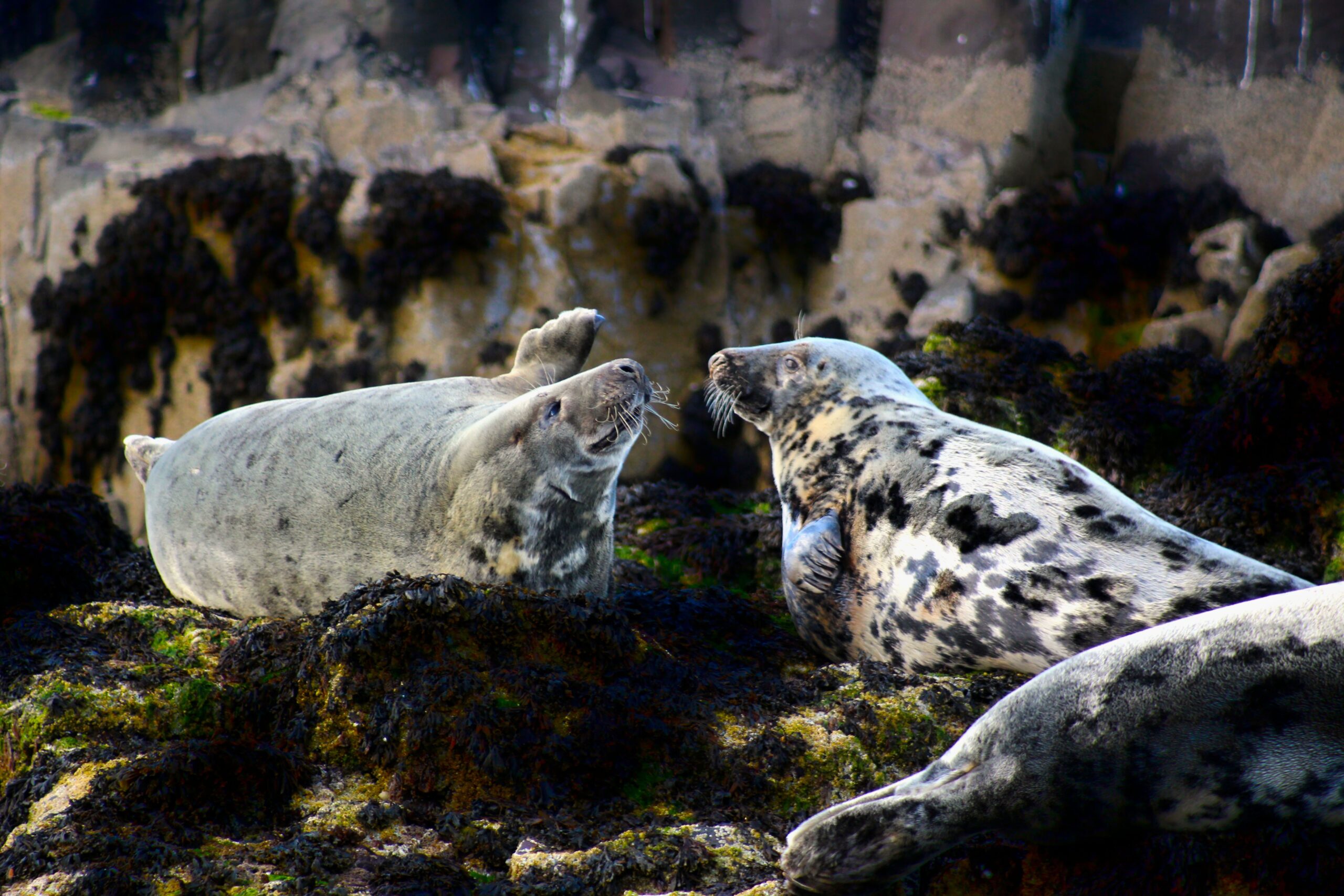
Atlantic grey seals are the most reliable sighting around Abersoch, because they haul out on the rocks and beaches of the St Tudwal's Islands and along the rocky coast. Seals are present all year, with pupping in the autumn, when mothers and pups are especially sensitive to disturbance and need extra distance. A seal's head bobbing in the water, watching you with apparent curiosity, is a common sight on a boat trip around the islands, and a seal hauled out on a rock, resting in its characteristic banana shape, is a classic St Tudwal's view.
Seabirds complete the picture. The St Tudwal's Islands and the cliffs around Porth Ceiriad and the Cilan headland hold gulls, cormorants, shags, razorbills and guillemots in season, and the bay is a passage route for other species through the year. A wildlife trip that finds no dolphins but gives you seals, porpoises and a cliff full of seabirds is still a good trip, and a good operator will frame it that way.
Boat trips from Abersoch
Boat trips are the most reliable way to see marine wildlife around Abersoch, because they take you to where the animals are rather than waiting for the animals to come to you. Two established Abersoch operators cover the main options.
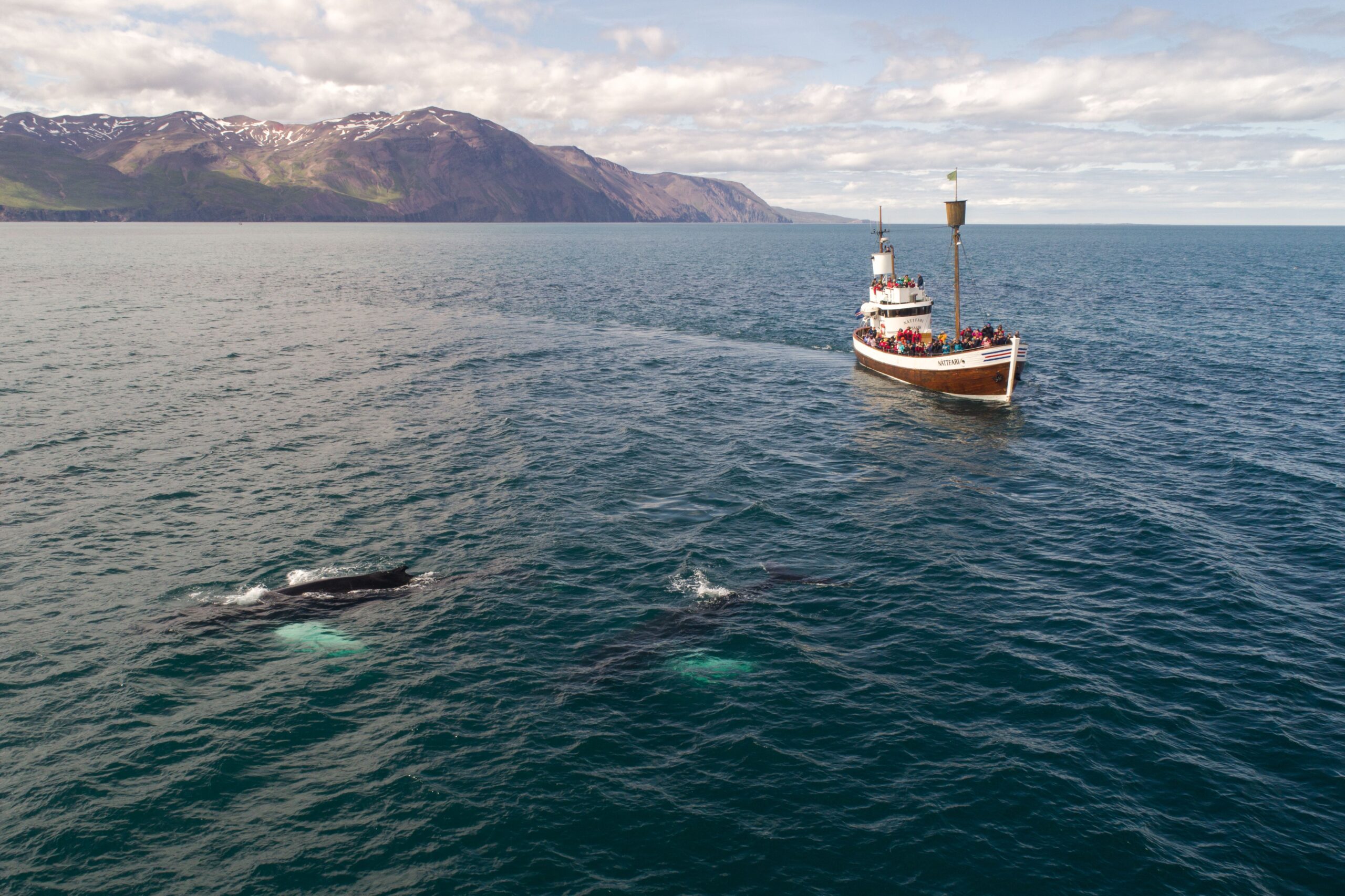
Abersoch Land & Sea runs a 9-metre Humber RIB from Abersoch, exploring the southern coast of the Llŷn Peninsula: across Abersoch Bay, past the St Tudwal's Islands, and along the coastline towards Porth Ceiriad. Its trips are sightseeing cruises with a wildlife element, and its own description highlights the chance to spot seals, seabirds and dolphins. A RIB ride is fast, exciting and exposed — you will feel the speed and the spray — so it suits older children and adults who want an adventure as well as wildlife, and it is less suited to very young children or anyone who dislikes speed on the water.
Fish 'n' Trips, skippered by Bryn aboard the fishing boat Jenny II, offers a slower, more relaxed wildlife watching and fishing trip around the sheltered waters of the St Tudwal's Islands, with the chance to spot dolphins, seals and seabirds and an introduction to sea fishing. That slower pace suits families with younger children, anyone who prefers a stable boat to a RIB, and visitors who want to combine wildlife watching with a first taste of fishing.
Both operators are seasonal, and their schedules, prices and trip lengths change through the year. This guide deliberately gives no trip price or timetable as a fact: confirm the current schedule, price, age limits, meeting point and cancellation and poor-weather policy with the operator before you book. Book ahead in July and August, because good-weather days fill up, and keep a flexible day in your trip, because a boat trip cancelled for weather is a safety decision, not a disappointment to argue with.
Watching from the shore: headlands and beaches
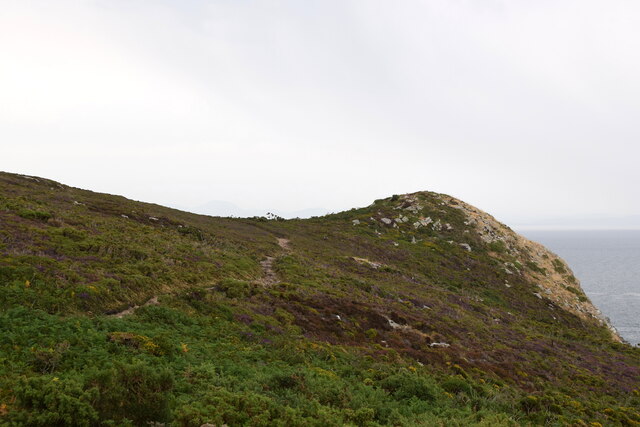
You do not need a boat to see dolphins and seals around Abersoch, and shore watching has its own pleasures: it is free, it is quiet, and it rewards patience. The best shore-watching points are the headlands, where height gives you a view over a wide area of water. The headland above Abersoch Bay, the coast path towards Llanbedrog, and the Cilan headland towards Hell's Mouth all offer elevated views over Cardigan Bay, and a pair of binoculars transforms them from a pleasant walk into a wildlife watch.
The technique is simple and worth learning. Find a comfortable, safe spot well back from the cliff edge, scan slowly across the water in sections rather than sweeping wildly, and watch for the signs: a dorsal fin breaking the surface, a splash, a group of birds diving where fish are being herded, or a seal's head in the water near rocks. Early morning and late afternoon are often the best times, when the light is low and the water is calmer, and a flat calm day is far better than a choppy one, because a fin is visible in flat water and invisible in waves.
Porth Ceiriad and the coast path towards it are good shore-watching country, because the cliffs give height and the water below is a corridor for animals moving along the coast. Hell's Mouth, with its long open beach, is less of a shore-watching spot and more of a walking beach, though porpoises and dolphins are seen off it. And the main beach itself, while busy in summer, is still a place where dolphins are occasionally seen from the sand — a reminder that Cardigan Bay's wildlife is not confined to remote corners.
The St Tudwal's Islands: what they are and why they matter
The two St Tudwal's Islands dominate the horizon from Abersoch Bay: St Tudwal's Island East (Ynys Tudwal Fach) and St Tudwal's Island West (Ynys Tudwal Fawr). They are privately owned, so you cannot land on them, and that privacy is part of why they work as wildlife habitat: seals haul out undisturbed, seabirds nest on the cliffs, and the waters around them are rich feeding grounds. Boat trips go around the islands rather than landing on them, and that is the right way to see them.
The western island is widely reported to be owned by the adventurer Bear Grylls, a detail that adds colour to a boat trip commentary but does not change the wildlife: the islands matter because they are undisturbed, not because of who owns them. The practical point for visitors is to enjoy the islands from the water or from the shore, to keep your distance from seals and nesting birds, and not to attempt to land on a private island. A boat trip that circles the islands at a respectful distance gives you the seals, the seabirds and the views without disturbing either.
When to go, and setting expectations
The wildlife watching season around Abersoch runs from spring through autumn, with the peak in the summer months when boat trips are most frequent, the weather is most reliable, and dolphins are most active near the coast. Summer is also when the village is busiest, so book boat trips ahead and expect company on the water. Spring and early autumn can be excellent for shore watching, with fewer people, good light, and seals and seabirds still present, though boat trip schedules are thinner.
Autumn is seal pupping season, and it brings a specific responsibility: mothers and pups on beaches and rocks are extremely sensitive to disturbance, and a close approach can cause a mother to abandon a pup. If you see a seal pup on a beach, keep well away, keep dogs on a lead and away from it, and do not attempt to touch it or push it back into the water. A pup alone on a beach is usually waiting for its mother, not abandoned, and the right action is distance and, if you are concerned, a call to a local wildlife rescue organisation rather than intervention.
Winter wildlife watching is possible from the shore, and seals and porpoises are present all year, but boat trips are sparse and the weather is the limiting factor. A winter visit to Abersoch is a walking and village holiday with wildlife as a bonus, not a wildlife holiday in the summer sense. Whatever the season, the honest expectation is a good chance, not a guarantee: a reputable operator will say so, and a guide that promises dolphins on demand should not be trusted.
Watching responsibly: the rules that protect the animals
Responsible wildlife watching around Abersoch follows a few simple rules that protect the animals and keep your experience legal and enjoyable. Keep your distance from seals, especially hauled-out seals and pups, and never approach a seal on a beach. Do not chase, follow or try to touch dolphins or porpoises, whether from a boat, a paddleboard or the shore — let them approach if they choose, and if they do, enjoy it without pursuing them. Keep noise down near wildlife, do not feed any marine animal, and take all litter away, because plastic and fishing line are lethal to seals, dolphins and seabirds.
On a boat trip, follow the skipper's instructions: the skipper knows the local codes of conduct for approaching wildlife, the speed limits near animals, and the areas to avoid. On a paddleboard or kayak, the same rules apply with extra care, because a quiet craft can approach animals without them noticing — give seals and dolphins a wide berth, and do not paddle into a group. And if you see a stranded, injured or entangled animal, do not attempt a rescue yourself: note the location, keep people and dogs away, and contact the local coastguard or a marine wildlife rescue organisation.
FAQ
Can you see dolphins from Abersoch?
Yes. Bottlenose dolphins live in Cardigan Bay all year and are seen from boats and headlands around Abersoch, most reliably in the warmer months. Sightings are likely but never guaranteed.
Where is the best place to see seals near Abersoch?
Around the St Tudwal's Islands, just offshore from Abersoch Bay, where Atlantic grey seals haul out on rocks and beaches. Boat trips circle the islands, and seals are also seen from headlands and the coast path.
Are there boat trips for dolphin and seal watching from Abersoch?
Yes. Abersoch Land & Sea runs RIB trips past the St Tudwal's Islands and towards Porth Ceiriad, and Fish 'n' Trips runs slower wildlife and fishing trips aboard Jenny II. Confirm current schedules and prices with the operators before booking.
Can you land on the St Tudwal's Islands?
No. Both islands are privately owned and cannot be landed on. Boat trips go around them, which is the right way to see their seals and seabirds.
When is the best time for dolphin watching around Abersoch?
Late spring through early autumn, with the peak in summer, when boat trips run most often and dolphins are most active near the coast. Seals and porpoises are present all year.
What should I do if I find a seal pup on a beach?
Keep well away, keep dogs on a lead and away from it, and do not touch it or push it into the water. A pup alone is usually waiting for its mother. If you are concerned, contact a local wildlife rescue organisation.

